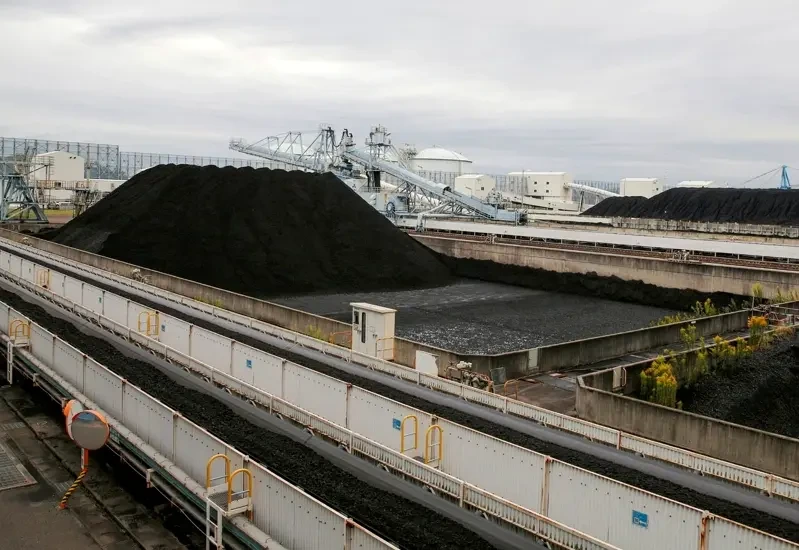
Asian thermal coal prices surged to a more than two-year high on the 13th, as power plants across the region stockpiled fuel in anticipation of winter heating demand—a trend exacerbated by persistently high consumption and supply disruptions stretching from China to Indonesia.
The benchmark Newcastle coal futures in Asia rose 1% on the 13th to $153.10 per metric ton, marking its highest closing price since August 2024 and bringing its year-to-date gain to over 40%.
Geopolitical Tensions Fuel Demand; Morgan Stanley Raises Long-Term Forecasts
Geopolitical tensions—specifically involving the U.S. and Iran—have prompted Asian buyers to shift from costlier natural gas toward coal, further boosting demand as the winter heating season approaches. In India, weather conditions have also played a role: drought and extreme heat have curtailed hydropower generation while simultaneously driving up electricity demand for air conditioning, leading coal-fired power plants to deplete much of their stockpiles during the sweltering summer.
Furthermore, a sharp rise in oil prices has pushed the cost of diesel—essential for operating mining equipment—to record highs, forcing mining companies to raise coal prices. Additionally, some chemical products that traditionally relied on crude oil as a feedstock are now being produced using coal instead, due to the high cost of oil.
Analysts at Morgan Stanley noted last week that the energy crisis in the Middle East has made the “long-term outlook for thermal coal demand more resilient.” Consequently, the firm raised its long-term price forecast for Newcastle coal exports by 4%, to $125 per metric ton.
Supply Constraints Tighten the Market
Meanwhile, production in key supplying nations remains constrained. In China, the country’s largest coal-producing region initiated safety inspections following a fatal accident in May, leading to a sharp drop in output; coal production there fell by more than 3% between January and August of this year.
Li Hangyu, a research analyst at Wood Mackenzie, expects that while more mines may gradually be granted permission to resume operations following roughly four months of shutdowns, a rapid recovery in production is unlikely in the near term.
Indonesia, the world’s largest coal exporter, is also facing headwinds, including government-imposed production quotas and drought-related disruptions to barge transportation. Data from research firm DBX Commodities shows that Indonesia’s coal exports fell to a five-year low in September. Although the government has rolled back some of its earlier production-cut measures, it will take time for miners to ramp up output again.
A warmer winter ahead? The market outlook hinges on the weather.
The future trajectory of coal prices remains primarily dependent on weather conditions. With an exceptionally strong El Niño event this year likely to drive up temperatures, much of Asia is expected to experience a relatively mild winter.